
Graduate Fellows
-
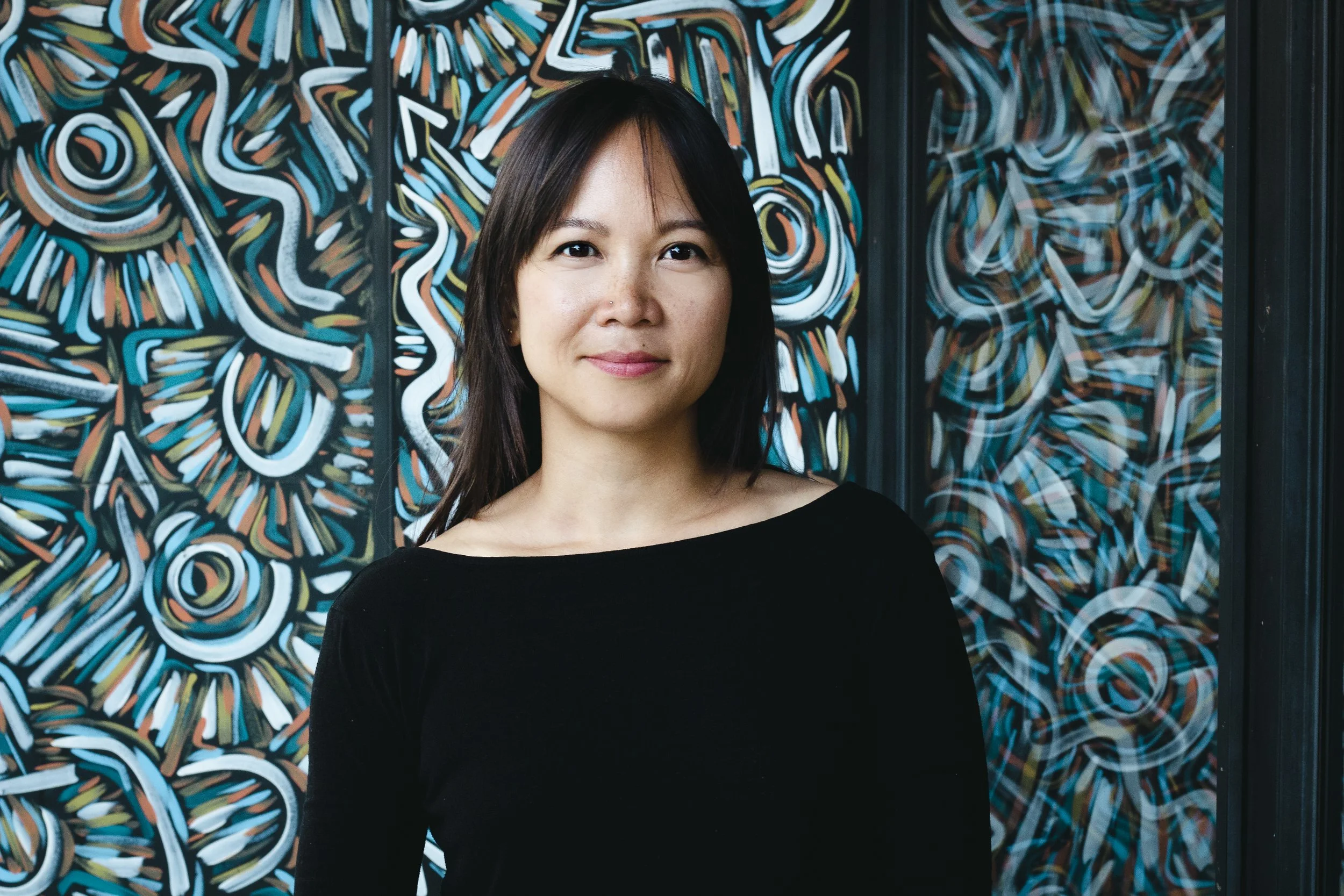
Phuong T. Vuong (she/her/hers)
Phuong T. Vuong is a PhD candidate in Literature with a Critical Gender Studies specialization. She researches Asian American feminist and queer texts’ approaches to history, refusal, and relations to land and water.
Her project argues that Asian American artists and writers navigate decolonization in the context of relational racialization and settler colonialism using opacity and refusal. Phuong is also the author of two poetry collections, including A Plucked Zither (Red Hen Press, 2023). Her poetry and essays have been published in a range of literary journals. Phuong has been awarded a SEFC Research Grant and a SEFC Dissertation Fellowship. Thanks to the support of SEFC, Phuong is currently revising her dissertation and preparing to graduate in Spring 2027.
-
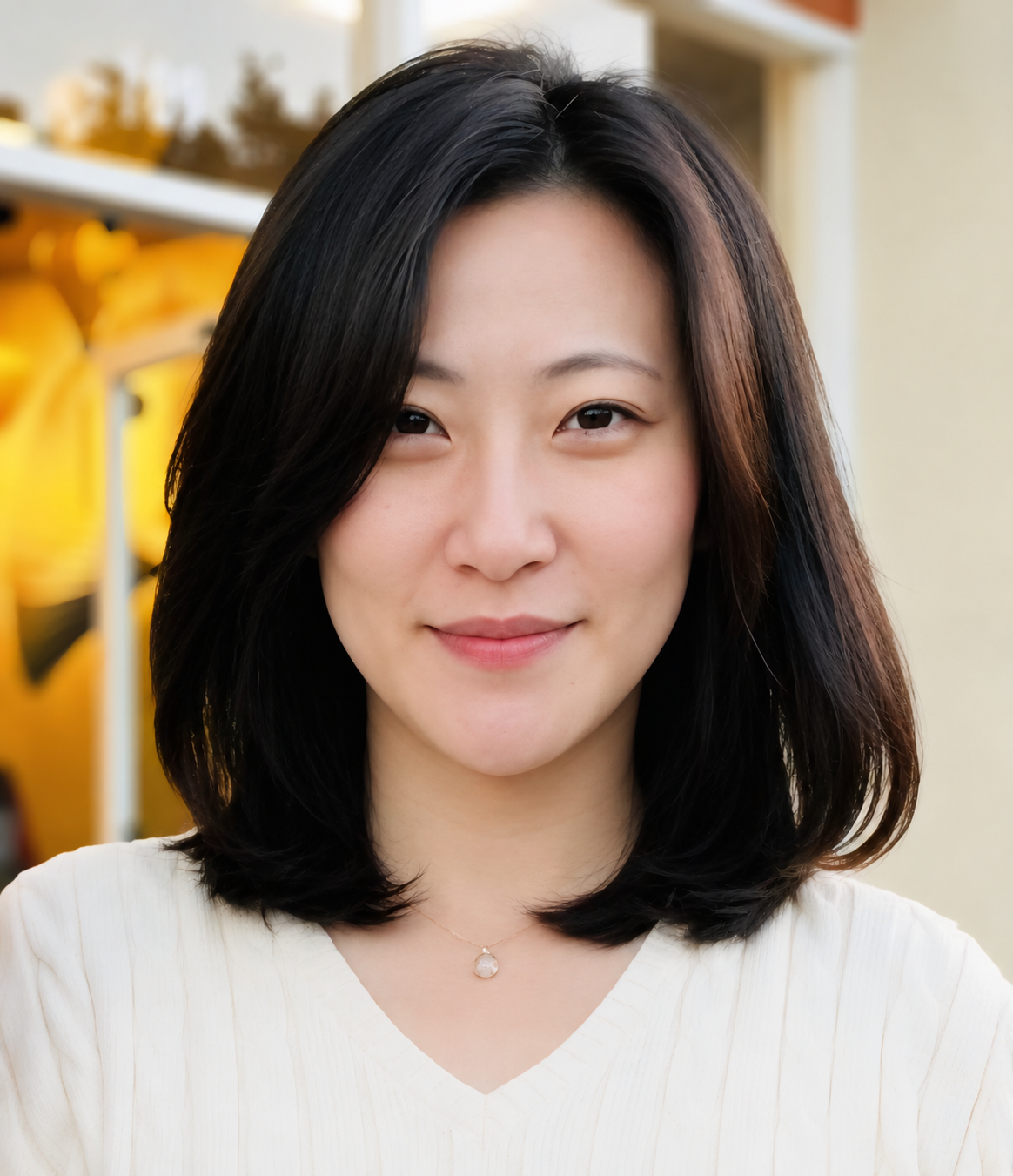
Melina Jung (she/her)
Melina Jung is a PhD candidate in the Department of Literature at the University of California, San Diego, and a recipient of the 2025–2026 Mellon SEFC Starter Research Grant. Her research lies at the intersection of feminist theory, memory studies, and transcolonial studies, with a regional focus on South America and East Asia.
Her current project examines feminist speculative practices and transnational movements against gendered and environmental violence, exploring how literature and performance generate counter-temporalities that challenge necropatriarchal regimes of power. She have completed the draft as anticipated in her grant proposal, and her article proposal has been accepted for the special issue “Feminist Korean Literary Criticism” of Tulsa Studies in Women’s Literature, forthcoming in 2029. I have also presented portions of this work in progress at PAMLA 2025, KLA 2025, and the Feminist Korean Studies Workshop 2026.
-
Bianca Negrete Coba
Bianca Negrete Coba is entering her final year as a Candidate in Literature, Cultural Studies with a Specialization in Critical Gender Studies. She has been the recipient of two Speculative Environmental Futures grants and one fellowship.
She first received funding to conduct research for the Speculative Environmental Futures Collective during the summer of 2024 through the Ethnic Studies department. She then received the same grant the following summer of 2025. Most recently, she received the Speculative Environmental Futures Dissertation Fellowship from the Literature department during the winter quarter of 2026. Bianca’s research highlights palimpsestic histories and stories of Chicanx displacement and Indigenous dispossession in what are known as San Diego and Los Angeles. She thinks about intertwining cultural and environmental impact in these communities and asks what it means for one community to be displaced on land dispossessed from another. She also considers how the border impacts Chicanx and Indigenous folks in what is known as Southern California. When she is not researching, writing, or teaching, Bianca can be found writing poetry, volunteering in the Community Archive at the Chicano Park Museum and Cultural Center, and lovingly mothering her silly and tenacious toddler. Receiving the Speculative Environmental Futures Dissertation Fellowship in Winter 2026 gave Bianca her first opportunity to dedicate an entire quarter to dissertation writing while also being able to afford childcare. She was able to draft two complete chapters during this time, keeping her on track to defend in a timely manner.
-
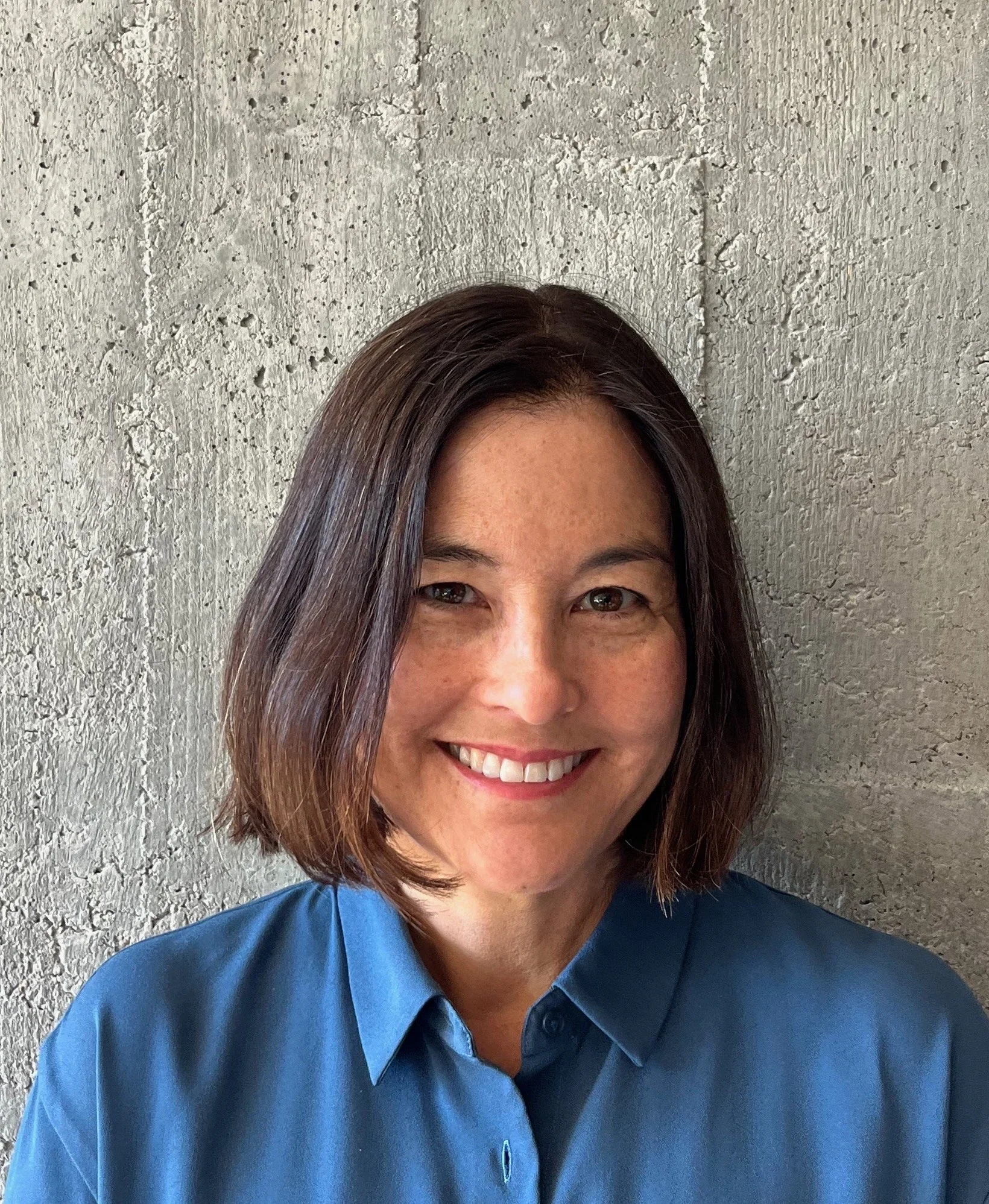
Maya Iming Richards
Maya Iming Richards is an Assistant Professor of English at Cal Poly Maritime. Her research and teaching interests include Twentieth Century and Contemporary U.S. Literature, Asian American literature, Pacific Islander literature, American studies, transpacific studies, ocean studies, and ecocriticism.
She has published work in peer-reviewed journals including MELUS: Multi-Ethnic Literatures of the United States and ISLE: Interdisciplinary Studies in Literature and the Environment. She received the SEFC fellowship in 2024-25 through the Literature Department. Maya is currently developing a book manuscript, The Multiple Urgencies of Climate Change: Empire, Capital, and the Environment, drawing from the research she did through the SEFC fellowship.
-
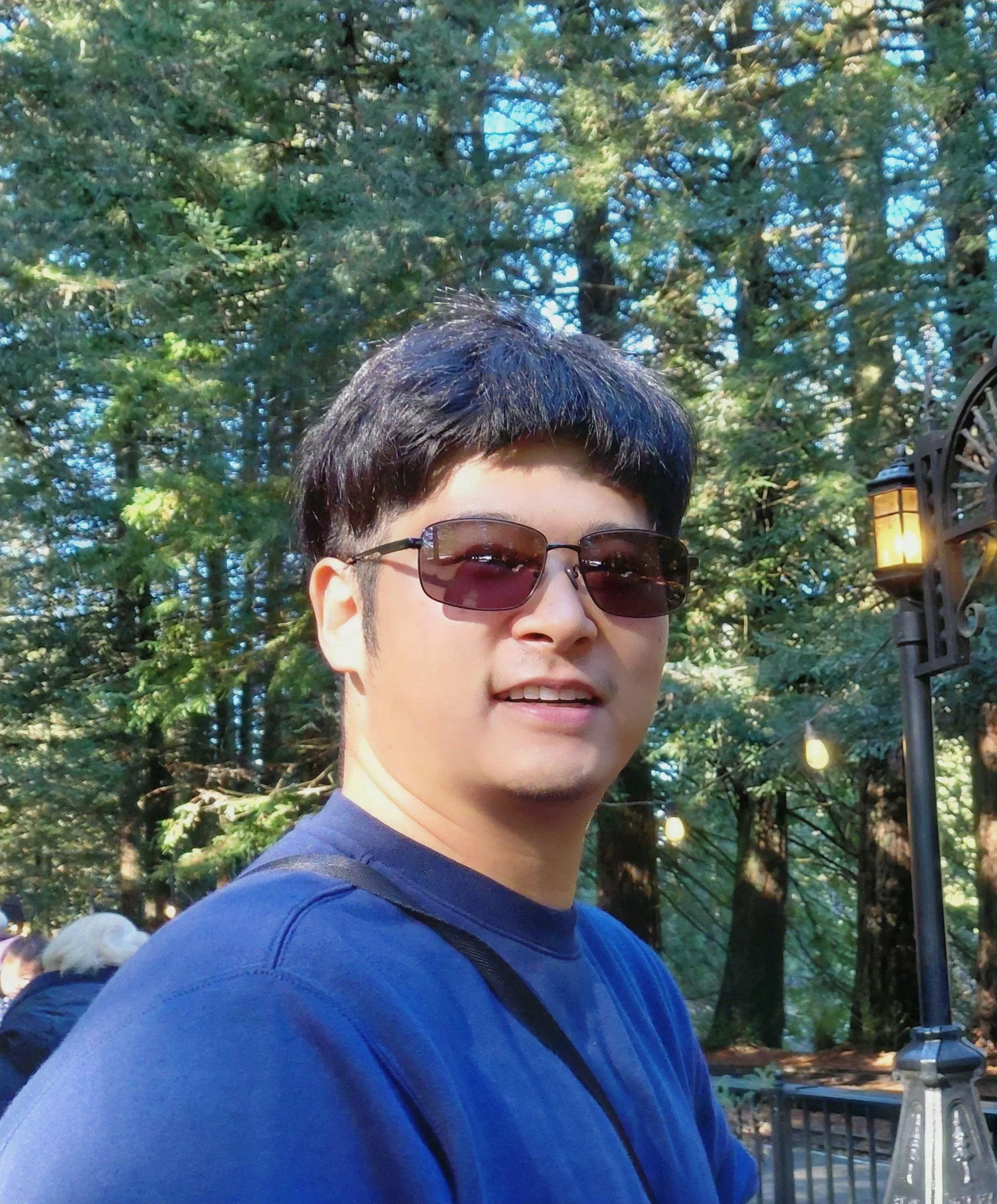
Samuel Kim (he/him)
Samuel Kim is a Ph.D. candidate in the Department of Literature at the University of California San Diego and a recipient of the Mellon Speculative Environmental Futures Starter Research Grant.
He holds a B.A. and M.A. in English Literature from Hankuk University of Foreign Studies in South Korea. His dissertation, Beneath the Uniform: Queering Masculinity, Time, and Militarized Citizenship in Contemporary South Korea, examines military conscription as a formative institution through which gendered and sexual norms are reproduced, regulated, and contested within the chronopolitics of civic life. Drawing on government documents, military media, school textbooks, film, webcomics, and other cultural materials, his research traces how military service coordinates intersecting normative trajectories of masculinity, heterosexuality, civic development, and national futurity. At the same time, he attends to the failures, deviations, and speculative alternatives that unsettle these prescriptions—from proposals for women’s conscription to imaginaries of same-sex intimacy, queer survival, and alternative futures that depart from the apparent uniformity of militarized developmental time. His project ultimately examines how queer life courses interrupt South Korea’s cis-heteromasculinist present and open onto more expansive social futures. His broader research interests include militarism, queer and feminist theory, temporality, masculinity studies, and contemporary Korean cultural studies. Since receiving the SEFC fellowship, Samuel has completed two substantial chapters of his dissertation and further developed its framework for understanding militarized citizenship through gender, sexuality, and time. One chapter examines the South Korean military’s twenty-first-century turn toward liberal and welfarist reform, asking how new discourses of welfare, self-development, human rights, and gender equality reconfigure—without necessarily displacing—older structures of militarized gender and sexual normativity. A second chapter traces the longer pedagogical formation of militarized citizenship through Kyoryŏn, South Korea’s former system of school military training, examining how the state coordinated the functions of civic designation and civic formation across the school and the barracks, at the turn of the century. Across these chapters, he has become increasingly invested in the temporal organization of militarized citizenship: the ways institutions synchronize bodily development, gendered life trajectories, military service, and national futurity. At the same time, his research follows the points at which these prescribed trajectories become unstable through misrecognition, refusal, and alternative forms of embodiment. The fellowship has enabled him to develop this tension between institutional prescription and alternative forms of gendered and sexual life into a central argument of the dissertation.
-
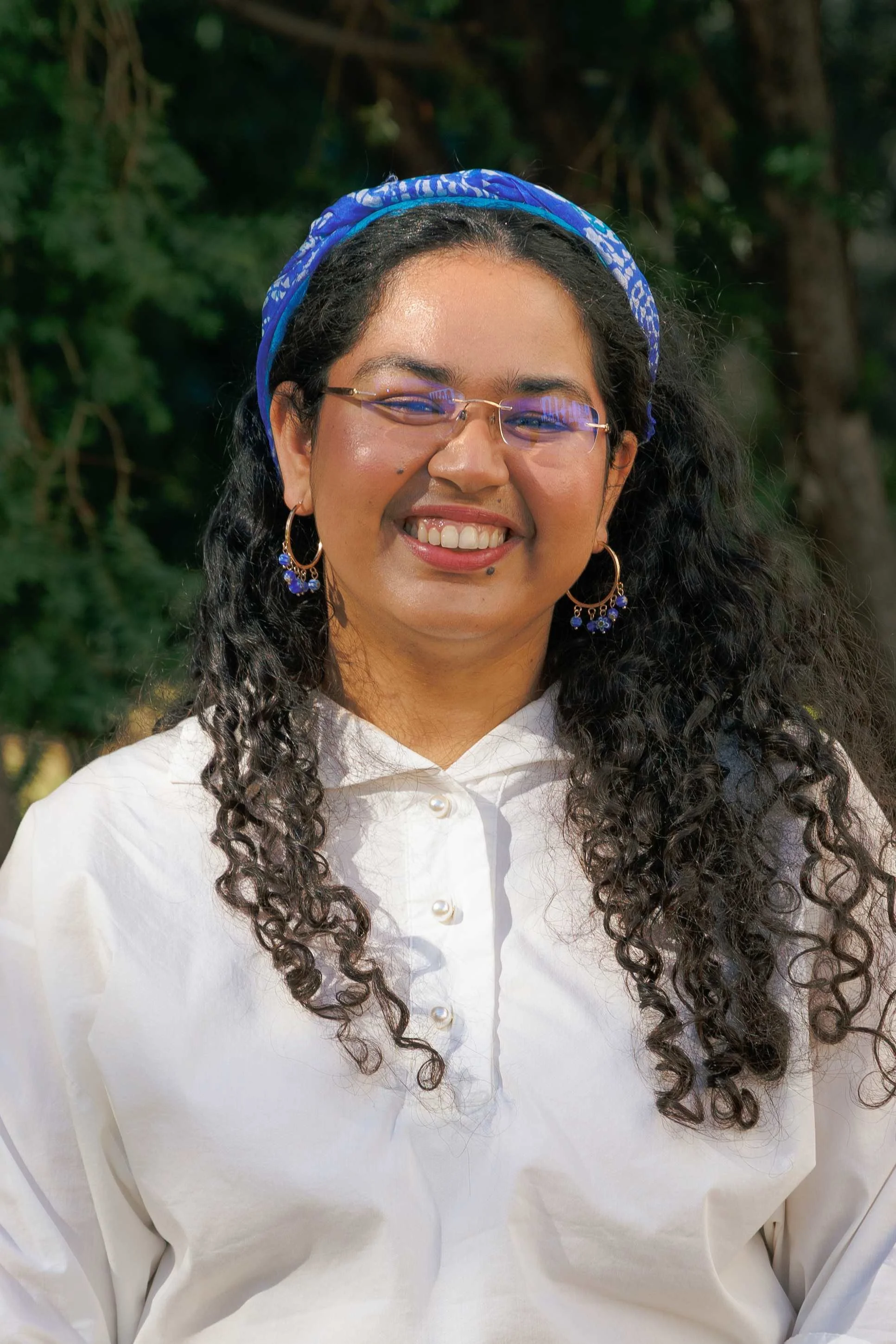
Radhika Marwaha (she/her)
Having grown up in the Persian Gulf, Radhika (she/her) is currently a PhD Candidate in the Ethnic Studies program at UC San Diego. As a recipient of the SEFC Graduate Seed Grant and Research Starter Grant, her work focuses on how caste, race, religion, and gender texture one's bodily, psychological, and socio-political interface with the petro-ecology’s space, time, and dreamscapes.
Radhika has worked to build with the Poetic Justice Foundation, UC Collective for Caste Abolition, Equality Labs, Halemi Lehar, and Other Collective Media Platform to lead intentional efforts towards developing a collaborative practice of intersectional solidarity, rooted in her Sikhi and grounded in how her sangat has held and mentored her.Since receiving the fellowship, she has conducted site and museum visits as well as archival work to collect primary data and sources to help me in my theorization and writing.
-
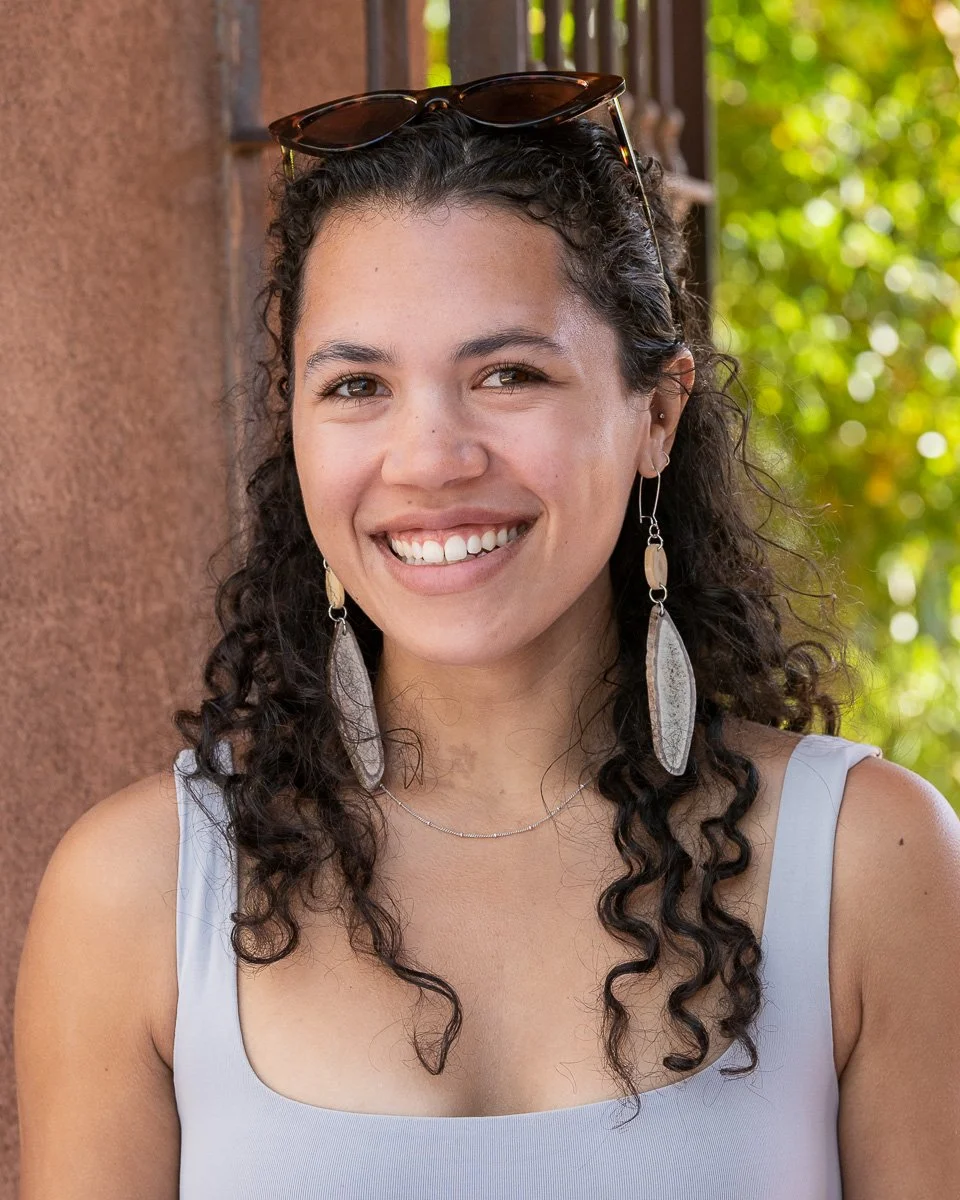
Racquel West
Racquel is a 5th year PhD Candidate in Ethnic Studies at UCSD and received a Starter Research Grant from the Speculative Environmental Futures Collective in Fall 2025.
She utilized the grant to conduct research at the Smithsonian Institution Archives and the National Anthropological Archives (both in Washington, D.C.) where she studied manuscript materials regarding the Stevenson Expeditions to New Mexico and Arizona in the late nineteenth century. The work conducted at these institutions will be analyzed as a chapter of her dissertation investigating how museums organize information and how this organization influences our conceptualizations of property and science production. She intends to graduate in Spring 2028. Since receiving the SEFC Starter Research Grant, she has embarked on her archival and museum site research, visiting eight different institutions in Seattle, Washington D.C., New York, and Chicago.
-
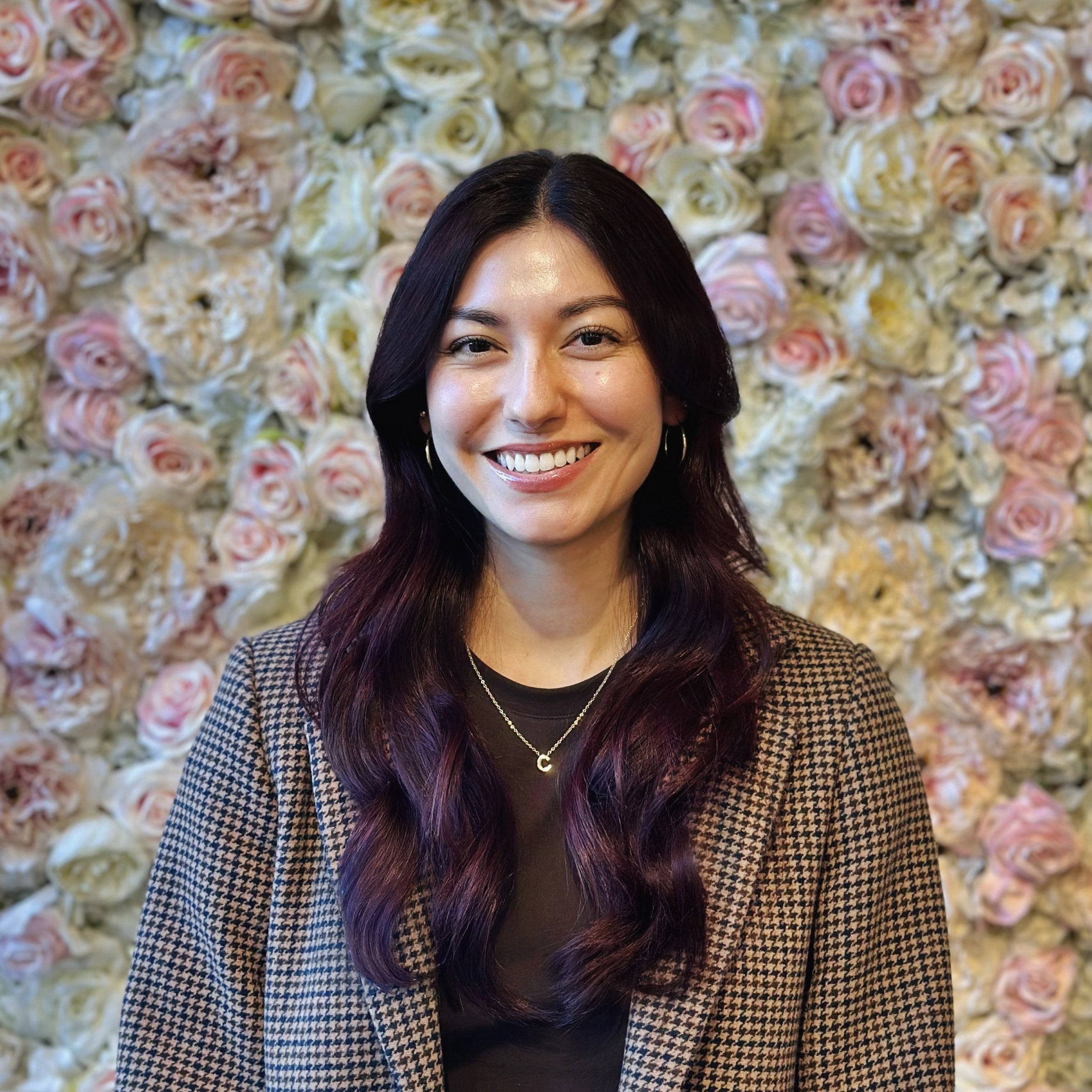
Camille Uglow she/her
Camille Uglow is a PhD candidate in the Literature Department at the University of California, San Diego. She earned an M.A. in Literature from UC San Diego and a B.A. in Literature from UC Santa Cruz. Her research focuses on adaptation, speculative fiction, environmental humanities, performance, and early modern English literature and drama.
Her current work examines contemporary adaptations of Shakespeare through film, novels, and performance as a means of cultivating community amid ecological and climate crises. At UC San Diego, she has served as a teaching assistant in the Revelle Humanities Program and the Literature Department and has taught a course on science fiction. She also serves as an editor for Alchemy, UC San Diego’s journal of translation. Her research has been supported by SEFC Starter Research Grants in 2023 and 2025. Since receiving the SEFC fellowship, Camille has used the funding to conduct research at the Willow Globe in Wales and with Shakespeare in Yosemite in Yosemite National Park. This site-specific research has allowed her to explore how contemporary Shakespearean performance engages with place, environmental memory, and ecological crisis, which informs her dissertation on eco-Shakespearean adaptation. This research has also contributed to her forthcoming chapter in the edited volume Nature Remembers: War, Trauma, and Environmental Postmemory in Contemporary Anglophone Literature and Culture.
-
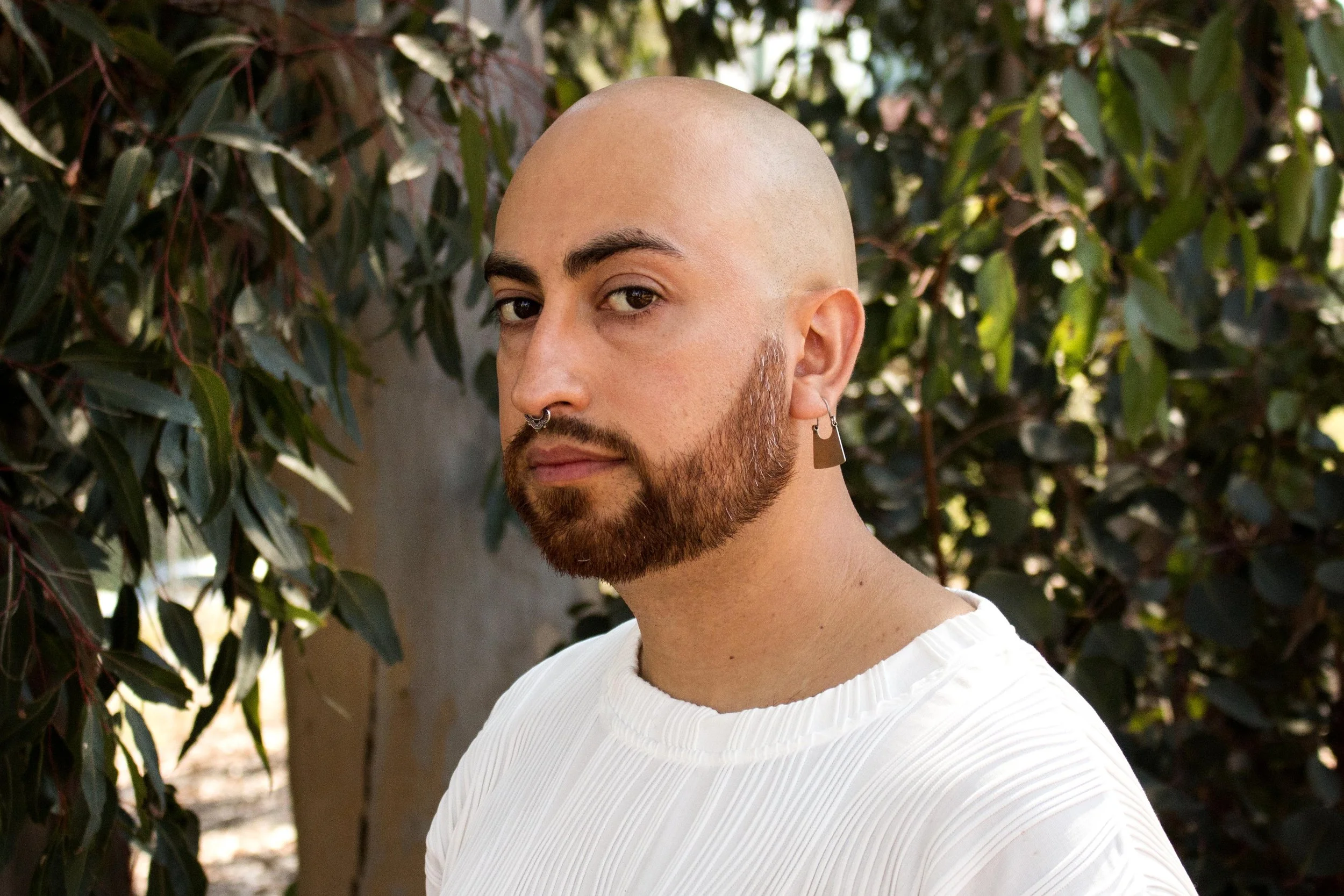
Antonio Catrileo
Antonio Catrileo is a Mapuche-chilean educator, artist, and scholar. Currently is PhD candidate in Ethnic Studies with specialization in Critical Gender Studies at the University of California San Diego.
Also Catrileo hold a B.A., M.A. in Chilean and Hispanic Literature at Pontificia Universidad Católica de Valparaíso, and a B.A in Education. Author of the book “Awkan epupillan mew: dos espíritus en divergencia” (2019) and “Diaspora” (2015). Their research focuses on non-normative genders and sexualities in Abiayala, exploring critical juxtapositions between Latin American Sexual Dissidence activisms and cultural productions, trans/travesti epistemologies, indigeneity and incommensurability as forms of embodied knowledge. Catrileo also investigates the relationships between HIV/AIDS activism in Indigenous contexts in Latin America. Member of Comunidad Catrileo+Carrión, an artistic collective that carries out collaborative and community art projects, exploring experimental audiovisual languages, installation, and performance. Their work has circulated in Chile, Peru, Argentina, Brazil, Ecuador, Colombia, Mexico, the United States, Canada, Italy, Spain, and France. Comunidad Catrileo+Carrión have collectively published the books “Generative Opacities” (2026), “Poyewün Nütramkan Pikunmapu/Qullasuyu” (2020), “Poyewün witral: bitácora de las tejedoras de Neltume” (2019), “Torcer la palabra: escrituras obrera-feministas” (2018), and “Yikalay pu zomo Lafkenmapu” (2018).
-
Qiyan Chen (She, her, hers.)
Qiyan Chen is a PhD student in the Department of Literature at the University of California, San Diego, and a recipient of the 2025 Speculative Environmental Futures Collective Starter Research Grant. Her research spans media ecology and environmentalism, science and technology studies (STS), and sound studies, examining the relationship between media, technology, and the environment.
She is also interested in video production and explores the video essay as a form of creative and critical inquiry. Her experimental works explore futurism and the connections between oceans and outer space, engaging questions of space, imagination, and humanity’s place in the cosmos. Since receiving the SEFC Starter Research Grant, she has developed a draft research article and presented her research at an academic conference.